

If you’re like me, the thing that most excites you about DC’s performing arts is its theatrical biodiversity.
For every high-budget run of Broadway aspirants like A Strange Loop or The Bedwetter that comes to town, there’s at least six other, smaller revivals of things like Lizzie the Musical, Passing Strange, or The Last Five Years. The excitement and charisma of a smaller company, with its restraints that force creativity, juxtaposed with the scale and cutting-edge engineering of a modern megamusical? Imagine having access to such a variety of exciting material at all levels of the American Theatre!
Well, if you’re Marika Countouris, you don’t have to, because that’s just a Tuesday.
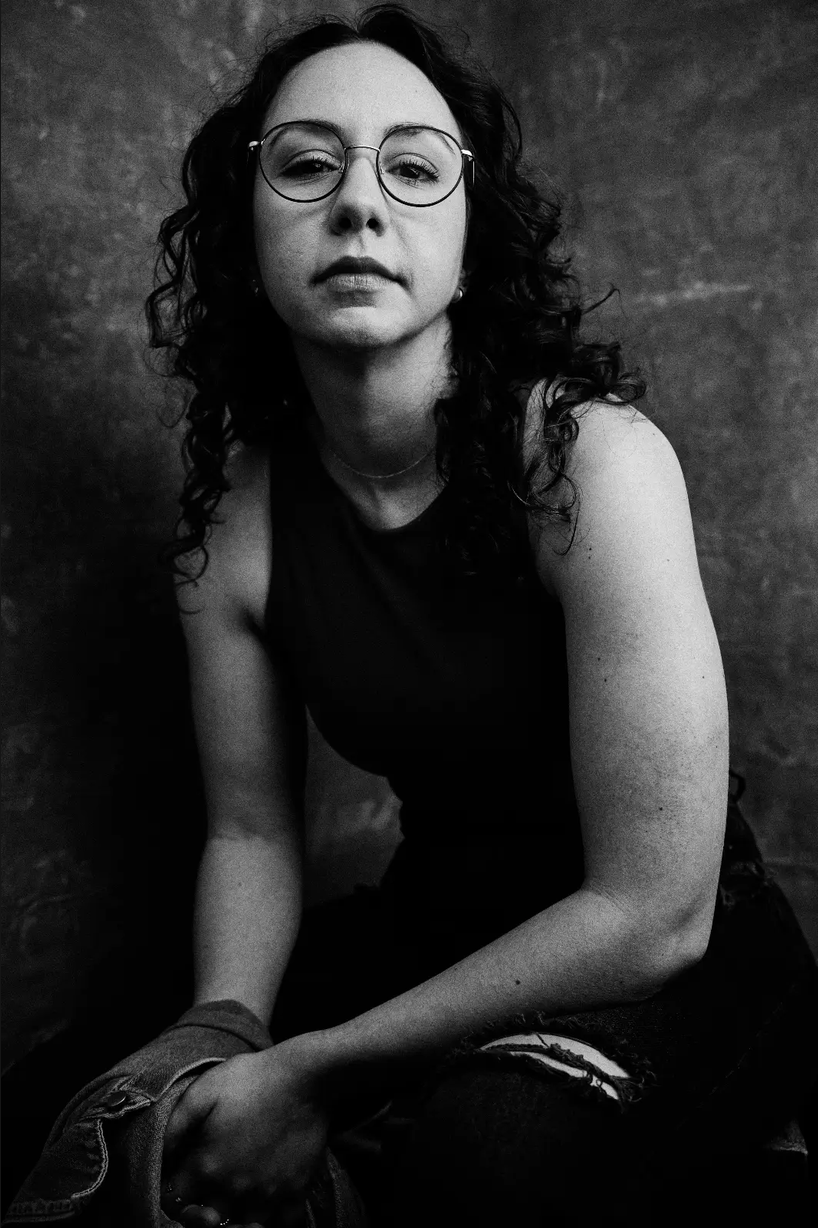
The Pittsburgh-born musician has been on a tear since graduating from the Catholic University of America (CUA) in the late 2010s, music directing or contributing in the orchestra pit to some degree on all of those shows above. The best part? It seems like she’s only just getting started, notching her first Helen Hayes Award in 2026 for her work on Professor Woland’s Black Magic Rock Show at Spooky Action. Next on her docket is a favorite piece of mine, The Rocky Horror Show, at Monumental Theatre Company, the scrappy-but-highly-acclaimed group of nomadic thespians. I was lucky to catch her post-rehearsal to catch up on her work on Rocky and in the past with Monumental, as well as learning more about her relationship with music and the DC theatre scene at-large. This interview is split into two parts.
Morris Theatre DC [MTDC]: Thank you so much for taking the time, finally kind of linking up, interviewing a little bit. I've been a fan of your work, personally, since Spring Awakening — that production is still literally my baseline of comparison of future productions. How do you say Marika; [mahr-ee-kuh], [mair-ik-uh]?
Marika Countouris: Yeah, Marika. [mahr-ee-kuh].
MTDC: Great; I've been a fan for a few years now, so thanks for taking the time here.
Marika: Yeah, of course! I'm trying to think, like, when you started [reviewing]…?
MTDC: I think I started making [Morris Theatre DC] a brand in December 2022. I don't think it really blew up until — oh, what show was it? I want to say Angels in America at Arena was the first show that I got invited to, which I thought was kind of crazy. I think that was maybe March or May of 2023. Everything's kind of been growing since then.
Marika: That sounds right, because I remember I think you did a thing on Passing Strange [Signature, 2023], and I think that was the first show that I was a part of that you reviewed. I was like, “Oh, who is this? It's a different format.”
MTDC: Yeah, and it’s been great to serve this role, doing something slightly different as a critic. I do really wish there were more critical voices out there in that same way, though. Like, whenever Caro Dubberly does a review for example — their writing is just so good. I need them to be a full-time critic somewhere. We all do.
Marika: Yeah, dude, I know. I feel exactly the same.
What Do You Do as a Music Director?
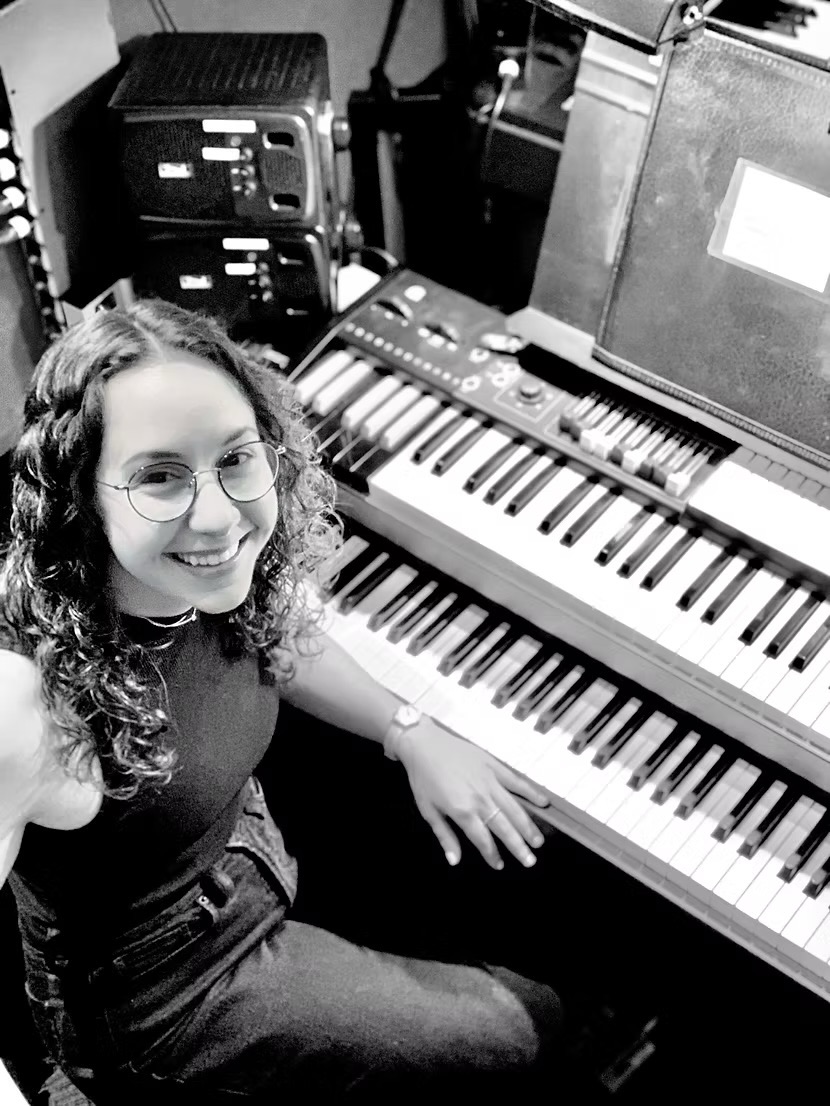
Marika: I feel like if we're talking in the simplest of terms: it’s someone who teaches the vocals, someone who coaches the vocals, someone who weaves together the story and the music with the director and finding how they kind of intersect. And making sure that it is in a seamless way and makes sense…and if it doesn't make sense, finding a way to make it work. Then, also working with the band, and working with the sound designer. I do a lot of that. Which we can talk about now or we can talk about later, because I want to talk a lot about that.
MTDC: I'm happy to talk about it at any rate you want. Although, now I'm kind of curious about working with the sound designer, because I've always considered them kind of two distinct things; yes, both roles involve the aural experience, but I've always thought that a sound designer, in a way, it's almost like a set designer for the ears, whereas a music director kind of supports more of a dialectical, literary element of the story. So the fact that you work with them more directly than I presumed, could you elaborate on that a little?
Marika: Well, a lot of the time now, everything that you're hearing of my work is funneled through them. So they kind of have total control over what you're hearing. For example, I work a lot with Alec Green. We did American Psycho [Monumental, 2024] together. We did Spring Awakening together, too. And with Psycho, we were working together the whole time to curate the club experience and be like, “Okay, what instruments do we really want to hear when, and what do we want to feel?” In playing this game, we really believe that you should feel the music. Sometimes people feel like you can't hear the lyrics enough, but I think that the music is, like, a character, you know? It shouldn't just be like, “Oh, we have it at a tame level so that we make sure we hear all the story.” Of course the story is important, but sometimes the story is dumb. [laughs] So I find that it's really important to make sure that the sound designer is my buddy, that we're a partnership, and that we have the same goals: of when we really want to be slapping people in the face with that guitar solo, or when we need to pull things back, or put different effects on the vocals, or like, if we really want to get vibey with it and put a delay. It's more like producer vibes, you know, kind of like in a concert.
MTDC: That's really interesting. Especially with American Psycho as an example, because that was, you know, phenomenal, that situation with the music. The fact that you could get up and, like, walk across the stage while things were happening. I thought that was nuts. You certainly nailed the “nightclub” element.
Marika: [laughs] Well, we didn't know if people were going to do it. We just had this idea that we're going to do these light [indicators] and we're going to tell people [to get up from their seats to use the onstage bar mid-show], and we're going to hope that if one person gets up, they'll [walk across the stage].
MTDC: [laughs] I'm usually the person that would do that. I was so floored by it. I was like, “I must have misheard it,” each time I considered doing it.
Marika: Yeah, like, “You can't be serious!”
A Monumental Collaboration
MTDC: So, you have a lot of connections with Monumental, it seems like. What's their “thing”? I've only seen a few shows from them — I saw Psycho and I saw Spring Awakening. The only thing I seem to really know about them is that they're very connected to CUA. Other than that, they just have a really fun charisma and energy to them, and each time they announce a show, I sprint to the ticket website. What's your history with them, and how do they pull off these really fun shows so consistently?
Marika: I’ve been connected with them for, I guess, maybe 10 years? Which makes me feel really old. Like…we can't be that old, but I guess we are if we're “the millennial theater company”. I first met them when they were doing auditions for Girl vs. Corinth, which was their first show in 2015, and I auditioned for them. I was asking myself, “Who are these people? Why are they having auditions in my school? What's going on?” There's also this student-run group at the school called Center Stage, and Jimmy [Mavrikes] was part of it, and I too was a part of it when I was in school, but we weren't there at the same time. We all kind of went through this student-run theater company, which, as you can imagine, is just everyone doing everything, all the time — with little money. And it can be so stressful, but when you're taking really big swings and it pays off, it makes it so rewarding. I think that's why we, after many years of doing this, still have that excited energy, you know? We don't have four shows a year to spread ourselves so thinly with. It's one: One that we're able to afford, and we gotta figure out how we can fucking rock people's socks off. Do some wild stuff, and do stuff that people aren't doing.
MTDC: I definitely think you guys deliver, that's for sure. It's so interesting that it's a 10-year-old company, or at least 10 years old. The vibes I got from Spring Awakening — I was thinking, “Oh, these guys must have just come out of college, since everyone in it seemed so youthful.” I had thought they must have started this company yesterday! It seems like that CUA connection just gives them a pretty broad talent pool to work with, and that kind of brings in that fresh, “let's-go” energy to it.
Marika: Right: we're small and we have no money, so the vibe is that we can pay people, but it's not a ton, and so we really enjoy finding the next up-and-coming person, whether it's at CUA, or Howard where I taught for four years, or American [University], we all have connections at all the schools. And so we're constantly being like, "Okay, who is going to be the next, you know, ‘local star’ or whoever?” Which is exciting, because we do, a lot of the time, put people in our shows who then next year are working at Signature, or they're working at Arena.
MTDC: We love to see it. Ever since Spring Awakening, my partner has pointed out whenever somebody from it is in something else. They refer to them as one of the, quote, “little sexy boys”. And so every time we go to a show, they're like, “Look, it's one of the little sexy boys from Spring Awakening!” [laughs] And I'm like, “Oh shit, you're right!”
Marika: [laughs] Right. Like right now Trenton [Beavers], who was Moritz in Awakening, is in the TLC show [CrazySexyCool, Arena Stage, 2026]. Aidan [Joyce] — who played Melchior — was in Octet [Studio, 2026]; he's incredible. Teralin [Jones] is in the Book of Mormon on Broadway. Adelina [Mitchell], who was Mopsa in Head Over Heels, is the Elphaba standby on the Wicked tour. There’s so many more out there doing the thing that started their DC journey with us! And even right now we have somebody in the cast who's 20 years old. It's exciting when you have someone who's 20, and then you have someone like Christian [Montgomery], who is not 20, and has been around with Monumental since the beginning and has become such an established performer around town. That range of experience is really exciting. It's just good vibes — like recently we went to JR's and they did a musical Mondays thing for us, and it's cast bonding, you know. The most important thing is that we're having fun. If we're not having fun, then why are we doing it? Because we are not getting paid nearly enough for all the shit that we do for this company. The reason why we do it is because it's so rewarding. And though of course we have a board, there's no — what is the word — we don't have to report to a like, administration.
MTDC: Like, you have a board, but not like “shareholders”, I guess, for lack of a better term.
Marika: Yeah. Of course, we've made our own “brand”, and we're kind of doing wild stuff, or whatever, because we don't have to be like, “We have to get all of the 70-year-old subscribers to come see it,” you know what I mean? Which means we don't get a lot of money in, taking these risks — but then we can do this stuff because we don't have to cater to that.
Shivering With Antici…
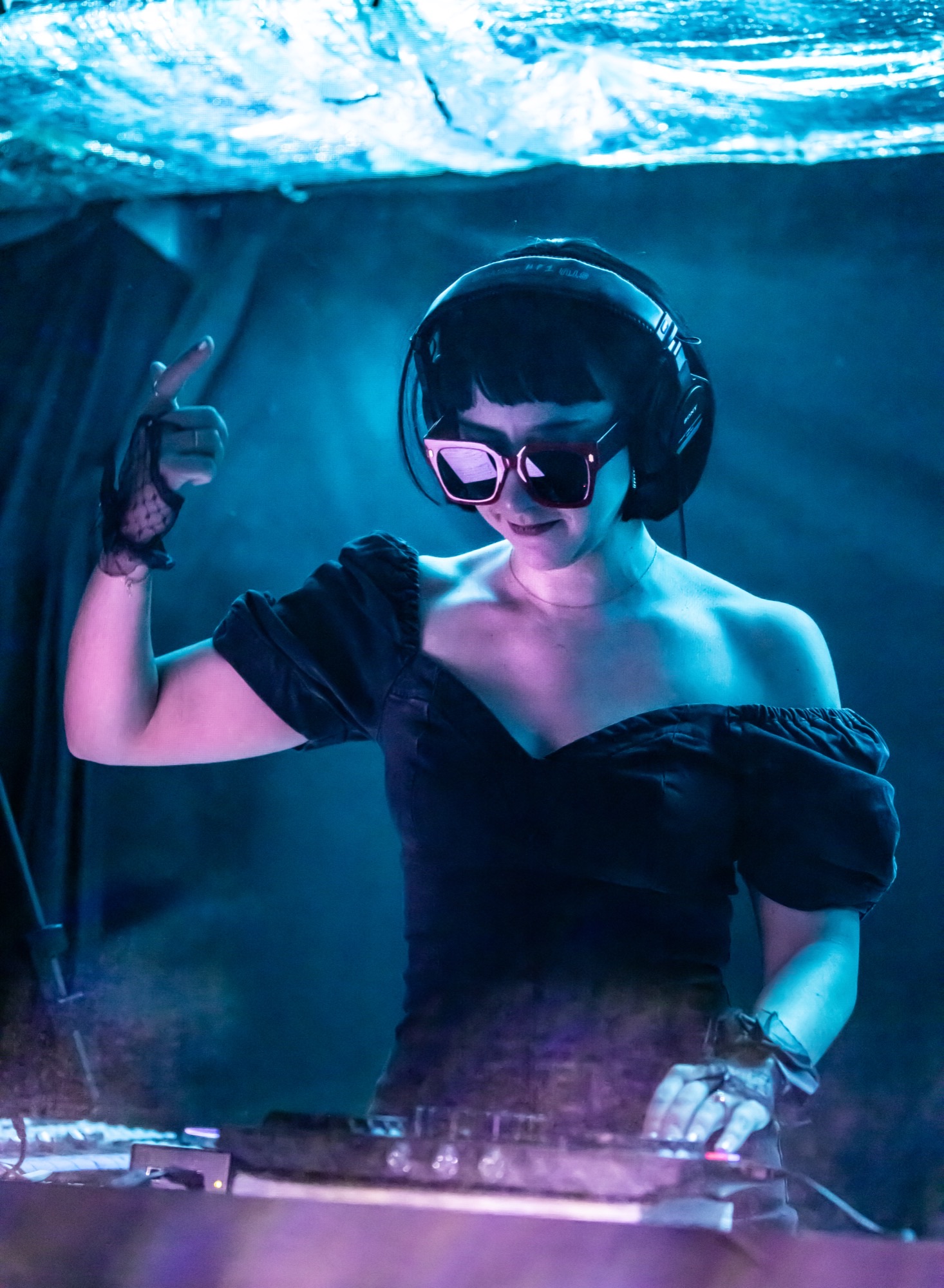
MTDC: You mentioned that you guys did the musical Monday recently for The Rocky Horror Show. What should we expect from Monumental’s Rocky Horror? You can be as vague or un-surprising as you want, or you can tell me something really cool that you're looking forward to in it — like, if you're going to be “DJing” again. Not that you would DJ for this, I don't think, but if you would have a fun role.
Marika: Yeah, no DJing. But I have created some beats and fresh vibes, I'll say that. I really didn't know much about Rocky Horror’s score except for the hits until we started. I had never really seen the film, and I'd never seen a stage version. I just knew the hits, and was like, “Okay, let me watch this,” and afterward, I was like “...what just happened?”
MTDC: Did they at least make you go to the live shadow cast in Bethesda?
Marika: They went last month, but I couldn't go.
MTDC: Oh my goodness.
Marika: I know, I know, and I've been talking about it! I'm a big researcher. And I was like, “Hey, you guys know there's this group in Bethesda who's doing this?” And they were like, “What?” This was months ago, but then last month they were like, “Oh hey, we're gonna go see it,” and then I was like, “You mean the group that I told you about?? Great!” They're doing one the week before our show, and we're gonna try and all go together.
MTDC: Oh, please do. I'm not really a performer, so I never was in them, but I've attended at least 10 times, but not since the E Street Cinema closed.
Marika: The shows are, like, crazy, right?
MTDC: They're really fucking funny!
Marika: People say there's, like, toast, and I don't know.
MTDC: There's these prop bags full of things they throw at the screen, the shadow cast is typically really fun and energetic. You absolutely should go, and I look forward to eventually hearing how it goes, because it's a really wild time. But nonetheless, it actually might even be more enjoyable to see what Rocky Horror is like having not seen the shadow cast, because I think a lot of times people can get influenced by that. There can be a lot of differences between the movie and the show; like right now, the one on Broadway has its issues, because people are doing things from the movie…
Marika: The callbacks, and the show is like, “Don't do it!”
MTDC: Callbacks, yeah.
Marika: Yeah, it's such a tricky thing. I went and saw the Broadway revival, and I don't know a ton of the callbacks. So the ones that they did, I thought, “Oh, this is cool, they're doing the things,” and I know that there's probably way more that they didn't do.
MTDC: They're also different by city! There are local ones, like DC has callbacks we do that New York doesn't.
Marika: I think there's gonna be a list. Some of this stuff I know, some of it is still cooking. But you're gonna get something — maybe one of those goodie bags with some kind of props, and there's gonna be instructions about the callbacks and fun things to do throughout.
MTDC: I was not necessarily even expecting a full callback embrace in this production, so the fact that there even might be an inkling of it is exciting.
Marika: Oh yeah, we're definitely doing them, and we have kind of tasked our narrator to maybe be the callback police, if you will. Of course, that's something that we're not even really gonna know — besides people yelling out random shit during rehearsal — until we have a preview, which will be wild, because we only have two previews before we open. Which is exciting! It’s similar to: “Are people gonna stand up when we turn on the red light on the seat at Psycho?” — we just don't know until it happens. I think we have one show that won't have callbacks, if people hate them.
MTDC: That's really good to know. I really like the idea of a narrator kind of participating a little bit, more than just talking to the audience. That makes me very excited to see it.
Marika: Oh, and as I was saying, the beats. So: I watched the show, and I had never seen it before. I was like, “What the fuck is going on?” Like, I get why it's a cult classic. And everybody knows the music, and it's iconic. But it's also very similar — a lot of the songs are giving the same, I call it the Little Shop vibe, which is great. But I'm like, what can we do, while still honoring it, to spice things up a little bit? So yeah, there will be some beats. There will be some things sounding maybe a little different than you've heard before, but I'm hopeful that the people who are the super fans won't be offended, and that it will be like, oh, here's something fresh.
…pation.
How Marika Keeps the Score
MTDC: Personally, if I really wanted to see the same thing, I would just watch the movie. The ephemerality of it is kind of the draw! That actually brings me to another question, because I was going to ask: what kind of scores do you tend to like to conduct? And B, how do you kind of leave a mark on them? It sounds like for this one specifically, you were really shaking it up — honoring the radicalness of the score by being radical with it yourself. But feel free to explain it in your own words.
Marika: It's a lot of: “No recording is the same, but yet they're all the same.” There's slight differences in the vocal arrangements, some things are a little bit different, and what's on the page is not exactly the same as any recording, and it feels kind of fluid. Each cast has their own take, you know? And so I was like, okay, “How can we, as Monumental, have our own take on some of these things, and get more specific about who these people are?” I was thinking that not all of these characters would sing in the same style, which is something that I really like to think about in general when I'm music directing: why is this character singing in this way, you know? With a few of the arrangements, I'm leaning a little bit more towards how the person that we've cast would sing the song, or a funny choice of, “Maybe this song is actually more like this.”
MTDC: With that being said — this is a little bit of an aside — how big a fan are you of Sondheim?
Marika: Oh, lol.
MTDC: [laughs] Uh-oh.
Marika: [laughs] No, no, no! Okay, don't tell Signature, but I'm not a, like, Sondheim-Sondheim person. Obviously he's incredible, but I feel like you have to be a lover of Sondheim to get into it, you know what I mean? When you hear it for the first time, you're like, “What?” And then it takes time to truly understand how genius it is. Kind of like if you were to watch Hamilton for the first time and you've never heard it — you're gonna miss like 50% of what's going on, which is fine. That's some of the genius of the thing: you can keep going back to it and find new stuff.
MTDC: Yeah, I bring it up because you mentioned asking why would a character sing a certain way — it has me thinking about how a lot of Sondheim's lyrics are super character-based. They would have to use slang, they would have to use super deep-rooted character traits in how they would sing this thing. If you don’t mind, who are some of your favorite composers? What kind of songwriting styles and compositional things do you like in scores? On a personal level.
Marika: I love stuff with a good groove. I mean, I'm definitely a JRB [Jason Robert Brown] girly. I love contemporary stuff. I mean, I love old stuff too, nothing is better than a classic. “If I Loved You,” you know; so perfect, the bench scene. But I like to do more contemporary stuff, and that has kind of led me into doing a lot of rock. I think I love it because I grew up listening to a lot of alt rock — Hayley Williams is my queen, I love Paramore to the death. But I love that a lot of the shows that I work on now can be influenced by that. There were rock musicals when I was growing up, but — I didn't know Hedwig [and the Angry Inch] when I was a kid.
MTDC: Before this interview, you had mentioned A Strange Loop, Ride the Cyclone and Passing Strange as shows you liked to do. Those definitely have a bit of an edge to them, all of them. I can totally see why you like those kinds of contemporary pieces, because they are a bit more — not to reuse the same word, but rough around the edges. In a good way, in a very authentic kind of way.
Marika: Yeah, rough around the edges, but also filled with so much heart. Oh my god, Passing Strange, kill me. And Strange Loop; dude, that is the most play-musical ever.
MTDC: I still wonder to this day how the heck it made it to Broadway. Not only just because it's a play-musical, but just because it's full of everything.
Marika: Everything.
MTDC: Which production of Strange Loop did you work on? The Woolly one or the one at VOCA?
Marika: I was the associate conductor on the Woolly production, so I covered conducting the show a couple of times.
MTDC: Oh, that's really cool.
Marika: Yeah, it was very cool.
Part II coming soon!